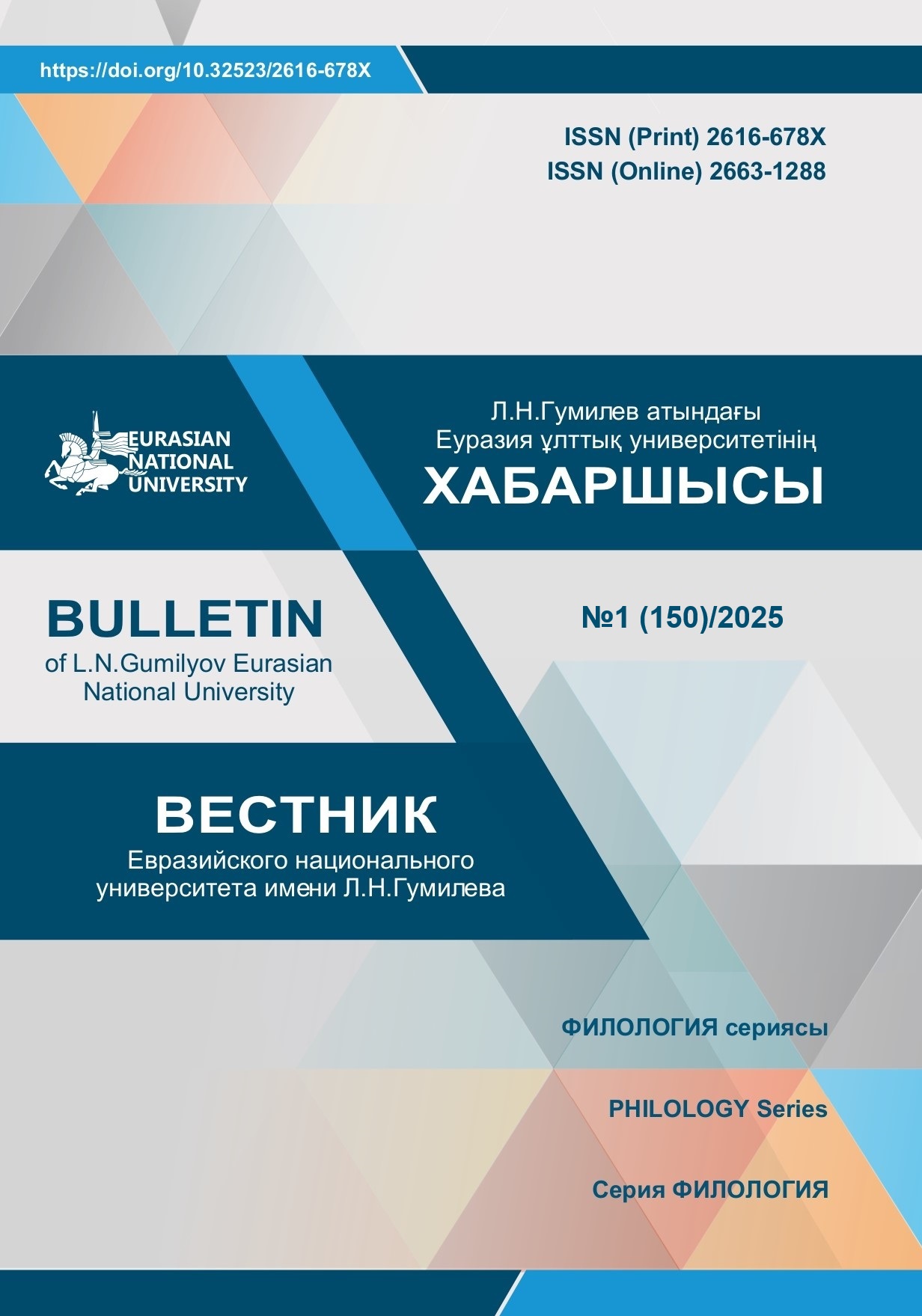
Конструктивный характер и функции корпуса
Просмотры: 446 / Загрузок PDF: 242
DOI:
https://doi.org/10.32523/2616-678X-2025-150-1-172-185Ключевые слова:
компьютерная лингвистика, корпус, состав корпуса, Национальный корпус, сборка корпуса, лексикографические исследованияАннотация
Одно из направлений моделирования языка – проведение исследований по машинному переводу – сегодня приобретает все большее значение и востребованность. Цель исследования – дать представление о корпусе, параллельном корпусе, их назначении и функциях, особенностях строения, проанализировать роль корпусов в деле машинного перевода. Основные направления – информативный обзор основных условий, общей структуры создания корпуса. Идея состоит в том, чтобы предложить способы эффективного использования возможностей компьютерной лингвистики в деле машинного перевода. Данные по структуре корпуса, алгоритму работы, деятельности могут служить качественной теоретической и практической основой для крупных и малых исследовательских работ на тему машинного перевода. Методы исследования: теоретический анализ, обобщение, анкетирование. Основные результаты, анализ, выводы исследования: из итогов анкетирования следует, что востребованы различные возможности Национального корпуса казахского языка. Известно, что у корпуса гораздо больше задач и возможностей. Особо хотелось бы отметить, что машинный перевод должен стать ведущим инструментом в деле. Потому что в Национальном корпусе казахского языка сейчас осуществляется лишь несколько видов обработки текста. В нем много дефектов, как базовых, так и технических. Чтобы внести свой вклад в машинный перевод, внутри корпуса должны быть созданы параллельные корпуса. Значение проведенного исследования вносит вклад в развитие Национального корпуса казахского языка. Практическая значимость результатов работы: данные по структуре корпуса, алгоритму работы, функции могут служить основным руководством для будущих исследователей при выполнении практических работ.
Загрузки
Опубликован
Как цитировать
Выпуск
Раздел
Лицензия
Научный журнал «Вестник Евразийского национального университета имени Л.Н. Гумилева. Серия: Филология» придерживается политики открытого доступа (Open Access) к опубликованным материалам, основываясь на принципе свободного и равного распространения научных знаний. Редакция исходит из того, что открытый доступ к результатам исследований способствует развитию филологической науки, укреплению академической коммуникации и интеграции отечественных исследований в международное научное пространство.
1. Свободный и бесплатный доступ
Все статьи, опубликованные в журнале, размещаются в открытом доступе на официальном сайте издания и доступны всем пользователям без ограничений, регистрации и оплаты.
Пользователи имеют право:
-
свободно читать и скачивать материалы;
-
копировать и распространять тексты публикаций;
-
распечатывать статьи;
-
использовать материалы в научных и образовательных целях с обязательным указанием авторства и источника публикации.
2. Лицензирование
Материалы журнала распространяются на условиях лицензии Creative Commons Attribution-NonCommercial 4.0 International (CC BY-NC 4.0)
https://creativecommons.org/licenses/by-nc/4.0/
Данная лицензия разрешает использование, копирование, распространение и адаптацию материалов в некоммерческих целях при обязательном указании авторства и ссылки на оригинальный источник публикации.
3. Преимущества открытого доступа
Политика открытого доступа обеспечивает:
-
повышение видимости и цитируемости научных публикаций;
-
оперативное распространение результатов исследований в области филологии, лингвистики, литературоведения и переводоведения;
-
расширение международного научного сотрудничества;
-
доступ читателей к актуальным научным данным без финансовых и технических барьеров.
Редакция журнала стремится обеспечить прозрачность редакционных процессов, высокое качество рецензирования и широкую доступность научных результатов в сфере филологических исследований.