Құранның ортағасырлық әдеби жәдігерлерге ықпалы
Қаралымдар: 283 / PDF жүктеулері: 248
DOI:
https://doi.org/10.32523/2616-678X-2020-132-3-36-43Кілт сөздер:
орта ғасыр әдебиеті, дидактикалық шығарма, түркі ақыны, дастан, діни әдебиет, үгіт-насихат, шығыс поэзиясы, Құран, суреттеу, адамгершілік мәселелерАңдатпа
Мақалада қазақ әдебиеті тарихында орта ғасыр поэзиясының орны ерекше екені
анықталып, түркі әдебиеттің идеялық-көркемдік маңызы сөз болады. Орта ғасыр шығармаларына
өзек болған сол замандағы заман ахуалы, адамгершілік мәселелер, жеке тұлғаның ықылас-пейілінің
өзгеруі және тағы да басқа тақырыптар талданады. Соның ішінде, орта ғасырда жазылған әдеби
жәдігерлерге Құранның әсері жан-жақты қарастырылады. Орта ғасырдағы әдеби жәдігерлердің
негізгі айтар ойы халыққа ислам дінін түсіндіріп, рухани тазалыққа шақыру нақты мысалдармен
қарастырылады. Ислам діні орта ғасырдағы түркі әдебиетінің жаңа арнада дамуына әсер еткен,
соның көрінісі сол дәуір шығармаларында Құран аяттары мен пайғамбар хадистері орынды пайдаланылғаны анықталады.
Қарахан дәуірінде жазылған шығармалардың басты тақырыбы болған дидактикалық мәселелерді орта ғасыр ақындары қалай жырлағаны анықталып, оның түркі әдебиетінің дамуына қаншалықты үлес қосқаны айқындалады.
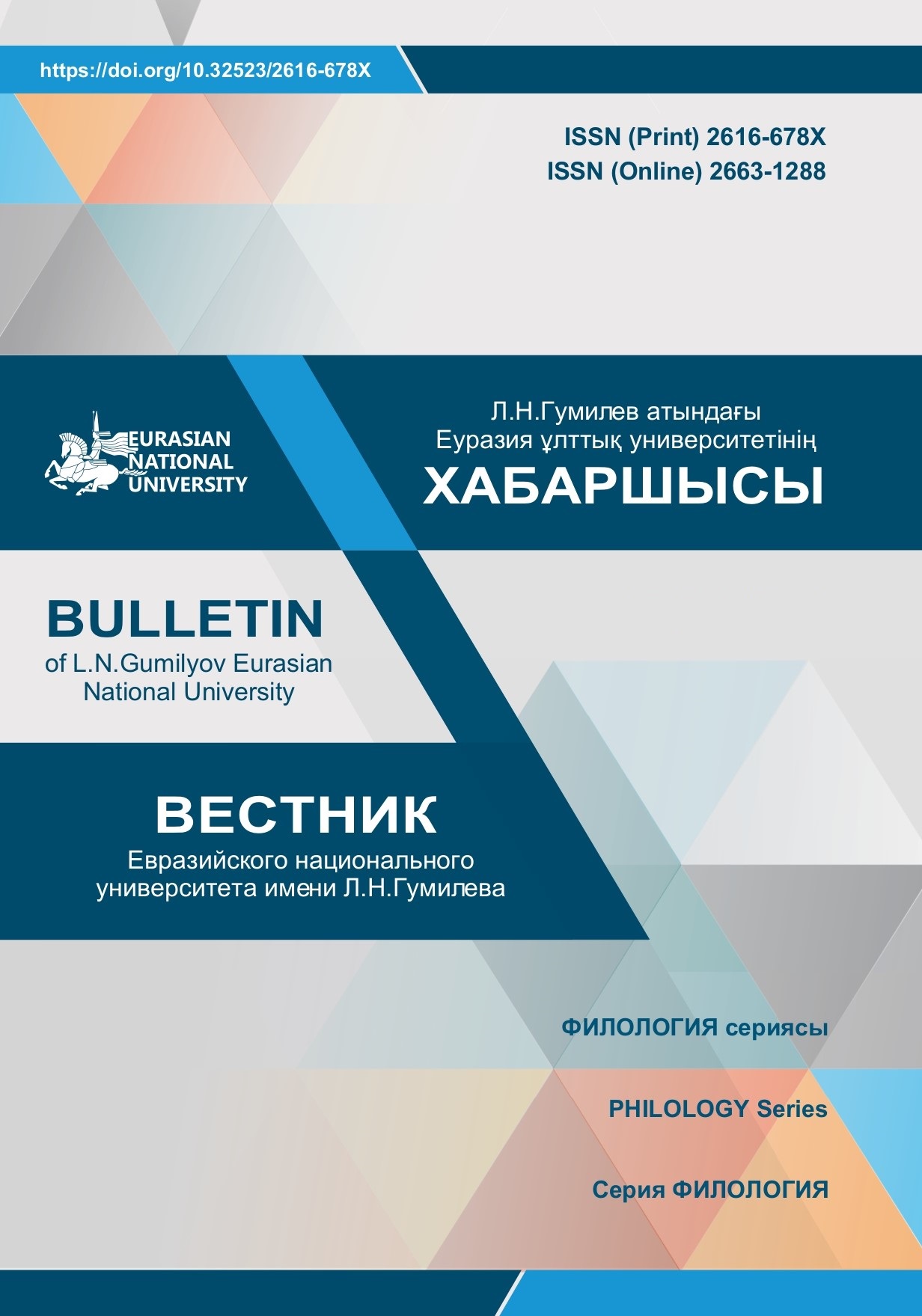
Жүктеулер
Жарияланды
Дәйексөзді қалай келтіруге болады
Журналдың саны
Бөлім
Лицензия
«Л.Н. Гумилев атындағы Еуразия ұлттық университетінің Хабаршысы. Филология сериясы» ғылыми журналы жарияланған материалдарға ашық қолжетімділік (Open Access) саясатын ұстанады. Журнал редакциясы ғылыми білімді еркін және тең дәрежеде тарату қағидатына негізделе отырып, зерттеу нәтижелеріне ашық қолжетімділік филология ғылымының дамуына, академиялық коммуникацияның нығаюына және отандық зерттеулердің халықаралық ғылыми кеңістікке ықпалдасуына ықпал етеді деп есептейді.
1. Еркін және тегін қолжетімділік
Журналда жарияланған барлық мақалалар басылымның ресми сайтында ашық қолжетімді түрде орналастырылады және барлық пайдаланушылар үшін шектеусіз, тіркеусіз және ақысыз қолжетімді.
Пайдаланушылардың құқықтары:
-
материалдарды еркін оқу және жүктеп алу;
-
жарияланым мәтіндерін көшіру және тарату;
-
мақалаларды басып шығару;
-
авторын және жарияланған дереккөзін міндетті түрде көрсете отырып, материалдарды ғылыми және білім беру мақсаттарында пайдалану.
2. Лицензиялау
Журнал материалдары Creative Commons Attribution-NonCommercial 4.0 International (CC BY-NC 4.0) лицензиясы негізінде таратылады:
https://creativecommons.org/licenses/by-nc/4.0/
Аталған лицензия авторлықты және түпнұсқа жарияланымға сілтемені міндетті түрде көрсете отырып, материалдарды коммерциялық емес мақсатта пайдалану, көшіру, тарату және бейімдеу құқығын береді.
3. Ашық қолжетімділіктің артықшылықтары
Ашық қолжетімділік саясаты мыналарды қамтамасыз етеді:
-
ғылыми жарияланымдардың көрінуі мен дәйексөзделу деңгейінің артуын;
-
филология, тіл білімі, әдебиеттану және аударматану салаларындағы зерттеу нәтижелерінің жедел таралуын;
-
халықаралық ғылыми ынтымақтастықтың кеңеюін;
-
оқырмандардың қаржылық және техникалық кедергілерсіз өзекті ғылыми ақпаратқа қол жеткізуін.
Журнал редакциясы редакциялық үдерістердің ашықтығын, рецензиялау сапасының жоғары деңгейін және филологиялық зерттеулер саласындағы ғылыми нәтижелердің кең қолжетімділігін қамтамасыз етуге ұмтылады.