Қазақ және орыс тілдеріндегі ас әзірлеуге қатысты етістіктердің лексика-семантикалық ерекшеліктері
Қаралымдар: 333 / PDF жүктеулері: 239
DOI:
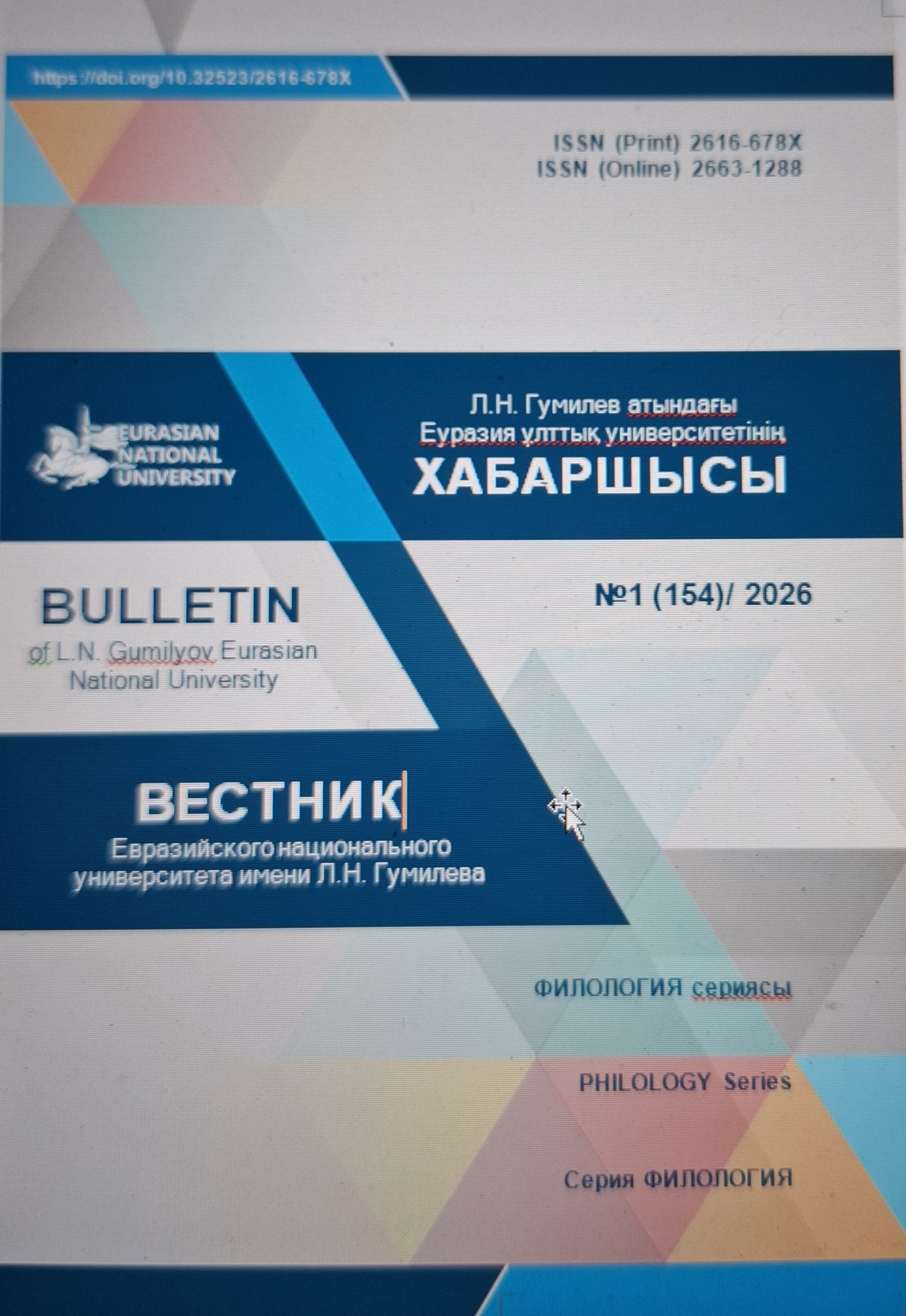
https://doi.org/10.32523/2616-678X-2026-154-1-42-53Кілт сөздер:
қазақ тілі, орыс тілі, етістік, лексика, семантикаАңдатпа
Зерттеу қазақ және орыс тілдеріндегі тағам дайындауға қатысты етістіктердің лексика-семантикалық ерекшеліктерін, олардың ұқсастықтары, айырмашылықтары және мәдени ерекшеліктерін қарастырады. Аспаздық рецепттер тағам дайындау үдерісін ұйымдастырып, жеткізетін негізгі құрылымдық элемент ретінде етістіктер қызмет атқаратын дискурс түрі ретінде қарастырылады. Зерттеу лексикалық өріс теориясына негізделіп, үздіксіз іріктеу арқылы алынған етістіктер корпусына компоненттік, дефинициялық, этнолингвистикалық және салғастырмалы талдау әдістері қолданылды. Зерттеу нәтижелері екі тілде де тағам дайындау етістіктерінің ортақ семантикалық топтары (мысалы, дайындау, турау, қуыру, қайнату) бар екенін көрсетеді. Алайда семантикалық нақтылық пен мәдени ерекшелік деңгейінде елеулі айырмашылықтар байқалады. Қазақ тіліндегі етістіктер көбінесе этномәдени тәжірибелер мен дәстүрлі аспаздық тәсілдерді білдіреді және олардың орыс тілінде тікелей баламалары бола бермейді. Бұл қазақ халқының көшпелі өмір салты мен ұлттық тағам мәдениетін көрсетеді. Ал орыс тілінде жалпылама етістіктер жиі қолданылып, еуропалық тілдердің ықпалымен қалыптасқан халықаралық аспаздық терминология жүйесі кеңінен таралған. Зерттеу тағам дайындауға қатысты етістіктердің мәдени және когнитивтік ақпарат тасымалдаушы ретіндегі рөлін айқындайды және аударма барысында семантикалық реңктерді ескерудің маңыздылығын көрсетеді. Нәтижелер салғастырмалы тіл біліміне, лексикографияға және аударматануға, әсіресе қазақ тілін зерттеу аясында, үлес қосады.
Жүктеулер
Жарияланды
Дәйексөзді қалай келтіруге болады
Журналдың саны
Бөлім
Лицензия
Авторлық құқық (c) 2026 Л.Н. Гумилев атындағы Еуразия ұлттық университетінің Хабаршысы. ФИЛОЛОГИЯ сериясы

Бұл жұмыс Creative Commons Attribution-Коммерциялық емес 4.0 халықаралық лицензиясы.
«Л.Н. Гумилев атындағы Еуразия ұлттық университетінің Хабаршысы. Филология сериясы» ғылыми журналы жарияланған материалдарға ашық қолжетімділік (Open Access) саясатын ұстанады. Журнал редакциясы ғылыми білімді еркін және тең дәрежеде тарату қағидатына негізделе отырып, зерттеу нәтижелеріне ашық қолжетімділік филология ғылымының дамуына, академиялық коммуникацияның нығаюына және отандық зерттеулердің халықаралық ғылыми кеңістікке ықпалдасуына ықпал етеді деп есептейді.
1. Еркін және тегін қолжетімділік
Журналда жарияланған барлық мақалалар басылымның ресми сайтында ашық қолжетімді түрде орналастырылады және барлық пайдаланушылар үшін шектеусіз, тіркеусіз және ақысыз қолжетімді.
Пайдаланушылардың құқықтары:
-
материалдарды еркін оқу және жүктеп алу;
-
жарияланым мәтіндерін көшіру және тарату;
-
мақалаларды басып шығару;
-
авторын және жарияланған дереккөзін міндетті түрде көрсете отырып, материалдарды ғылыми және білім беру мақсаттарында пайдалану.
2. Лицензиялау
Журнал материалдары Creative Commons Attribution-NonCommercial 4.0 International (CC BY-NC 4.0) лицензиясы негізінде таратылады:
https://creativecommons.org/licenses/by-nc/4.0/
Аталған лицензия авторлықты және түпнұсқа жарияланымға сілтемені міндетті түрде көрсете отырып, материалдарды коммерциялық емес мақсатта пайдалану, көшіру, тарату және бейімдеу құқығын береді.
3. Ашық қолжетімділіктің артықшылықтары
Ашық қолжетімділік саясаты мыналарды қамтамасыз етеді:
-
ғылыми жарияланымдардың көрінуі мен дәйексөзделу деңгейінің артуын;
-
филология, тіл білімі, әдебиеттану және аударматану салаларындағы зерттеу нәтижелерінің жедел таралуын;
-
халықаралық ғылыми ынтымақтастықтың кеңеюін;
-
оқырмандардың қаржылық және техникалық кедергілерсіз өзекті ғылыми ақпаратқа қол жеткізуін.
Журнал редакциясы редакциялық үдерістердің ашықтығын, рецензиялау сапасының жоғары деңгейін және филологиялық зерттеулер саласындағы ғылыми нәтижелердің кең қолжетімділігін қамтамасыз етуге ұмтылады.