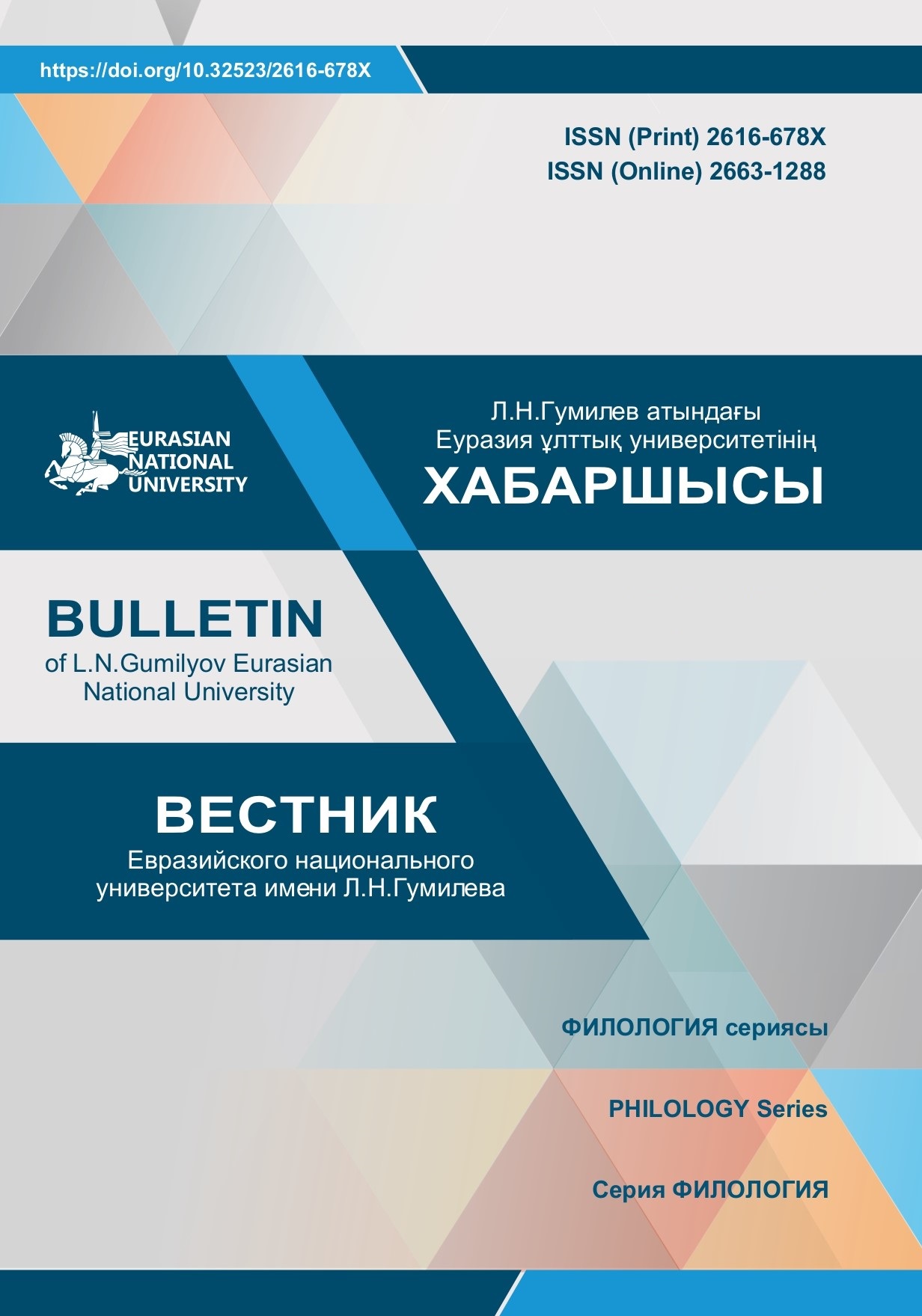
«Күміс ғасыр» әйел ақындарының шығармашылығындағы Шығыс мифологиялық сарындары
Қаралымдар: 345 / PDF жүктеулері: 164
DOI:
https://doi.org/10.32523/2616-678X-2020-131-2-37-46Кілт сөздер:
орыс әдебиеті, күміс ғасыр, поэзия, Шығыс сарындары, эмигрант әдебиетіАңдатпа
Мақалада күміс ғасыр әйел ақындарының шығармашылығындағы шығыстық сарындар қарастырылуы жақында «Престиж Бук» мәскеулік баспасы жариялаған
әйел поэзиясының антологиясы «1001 Күміс ғасыр ақыны» арналған. Авторлар бұл зерттеу
эмигрантолог ғалымдарға да қызықты болатынын тілге тиек етеді. Өйткені басылымда сол
кезде орыс эмиграциясының орталығы болған қалаларда - Шанхайда, Берлинде, Прагада
немесе Парижде шыққан кітаптар мен журналдарға сілтеме көп. Мақалада ориенталистік
мотивтер мен Шығыс мистикасы сол кезеңнің көптеген ақындарының шығармашылығында, соның ішінде, белсенді шығармашылық өмір салтын ұстанған, көрнекті Кеңес жазушылары мен ақындарының да болғандығын аңғартады.
Жүктеулер
Жарияланды
Дәйексөзді қалай келтіруге болады
Журналдың саны
Бөлім
Лицензия
«Л.Н. Гумилев атындағы Еуразия ұлттық университетінің Хабаршысы. Филология сериясы» ғылыми журналы жарияланған материалдарға ашық қолжетімділік (Open Access) саясатын ұстанады. Журнал редакциясы ғылыми білімді еркін және тең дәрежеде тарату қағидатына негізделе отырып, зерттеу нәтижелеріне ашық қолжетімділік филология ғылымының дамуына, академиялық коммуникацияның нығаюына және отандық зерттеулердің халықаралық ғылыми кеңістікке ықпалдасуына ықпал етеді деп есептейді.
1. Еркін және тегін қолжетімділік
Журналда жарияланған барлық мақалалар басылымның ресми сайтында ашық қолжетімді түрде орналастырылады және барлық пайдаланушылар үшін шектеусіз, тіркеусіз және ақысыз қолжетімді.
Пайдаланушылардың құқықтары:
-
материалдарды еркін оқу және жүктеп алу;
-
жарияланым мәтіндерін көшіру және тарату;
-
мақалаларды басып шығару;
-
авторын және жарияланған дереккөзін міндетті түрде көрсете отырып, материалдарды ғылыми және білім беру мақсаттарында пайдалану.
2. Лицензиялау
Журнал материалдары Creative Commons Attribution-NonCommercial 4.0 International (CC BY-NC 4.0) лицензиясы негізінде таратылады:
https://creativecommons.org/licenses/by-nc/4.0/
Аталған лицензия авторлықты және түпнұсқа жарияланымға сілтемені міндетті түрде көрсете отырып, материалдарды коммерциялық емес мақсатта пайдалану, көшіру, тарату және бейімдеу құқығын береді.
3. Ашық қолжетімділіктің артықшылықтары
Ашық қолжетімділік саясаты мыналарды қамтамасыз етеді:
-
ғылыми жарияланымдардың көрінуі мен дәйексөзделу деңгейінің артуын;
-
филология, тіл білімі, әдебиеттану және аударматану салаларындағы зерттеу нәтижелерінің жедел таралуын;
-
халықаралық ғылыми ынтымақтастықтың кеңеюін;
-
оқырмандардың қаржылық және техникалық кедергілерсіз өзекті ғылыми ақпаратқа қол жеткізуін.
Журнал редакциясы редакциялық үдерістердің ашықтығын, рецензиялау сапасының жоғары деңгейін және филологиялық зерттеулер саласындағы ғылыми нәтижелердің кең қолжетімділігін қамтамасыз етуге ұмтылады.